Register Contact For patients
Coloplast Professional
  • Stoma

    E-learning

    E-learning

    Webinars on-demand

    Webinars on-demand

    Videos

    Prevention Guide

    Mentorship Programme

    Mentorship Programme

    Knowledge hub

    Apollo Paediatric ostomy Foundations in Motivational Interviewing

    Short reads

    Short reads

    Articles and Publications

    Articles and Publications

    Validated Tools

    Validated Tools

    Event calendar

    Event calendar

    Webinars

    Webinars

    Face to Face Events

    Face to Face Events

    Podcasts

    Podcasts

    All resources

    All resources

    Fit tool

    Fit tool

    Patient resources

    Educational Videos Instructional Videos

    Coloplast Charter

    Coloplast Charter

    All Ostomy Products

    All Ostomy Products

    SenSura Mio

    SenSura® Mio Concave SenSura® Mio in Black

    Supporting Products

    Heylo Brava Protective Seal
  • Bladder

    E-learning

    E-learning

    Webinars on-demand

    Webinars on-demand

    Podcasts

    Podcasts

    UTI Risk Factors Model

    UTI Risk Factors Model

    Short reads

    Short reads

    Articles and Publications

    Articles and Publications

    Validated Tools

    Validated Tools

    Neurogenic

    Neurogenic

    Event calendar

    Event calendar

    Webinars

    Webinars

    Face to Face Events

    Face to Face Events

    Patient assessment

    Patient assessment

    Patient resources

    Educational videos Instructional Videos

    Coloplast Charter

    Register an IC Patient Urine Drainage Patient Registration Coloplast Charter

    All Bladder Products

    All Bladder Products

    Luja

    Luja Female Luja Male
  • Bowel

    E-learning

    E-learning

    Webinars on-demand

    Webinars on-demand

    Podcasts

    Podcasts

    Knowledge hub

    LARS MENTOR Tool Foundations in Motivational Interviewing

    Articles and Publications

    Articles and Publications

    Validated Tools

    Validated Tools

    Tai Treatment Guide

    Tai Treatment Guide

    Event calendar

    Event calendar

    Webinars

    Webinars

    Face to Face Events

    Face to Face Events

    Patient services

    Patient services

    Peristeen® - Registering patients to Charter or Referring to the

    Peristeen® - Registering patients to Charter or Referring to the Coloplast Nursing Service

    All Bowel Products

    All Bowel Products

    Peristeen

    Peristeen® Light Peristeen Light Portfolio Peristeen Plus
  • Wound

    E-learning

    E-learning

    Knowledge

    Everything you need to know about wound care Wound preparation Wound assessment Wound healing Exudate management Wound types Infection and biofilm

    Podcasts

    Podcasts

    Patient cases

    Patient cases

    Clinical videos

    Clinical videos

    Scientific publications

    Scientific publications

    Event calendar

    Event calendar

    Webinars

    Webinars

    Tools for professionals

    Tools for professionals

    Tools for patients

    Tools for patients

    All wound dressings

    All wound dressings

    Non-infected wounds

    Non-infected wounds

    Infected wounds

    Infected wounds

    Painful wounds

    Painful wounds

    Types of dressing

    Silicone foam dresssings Foam dressings Silver dressings Hydrocolloid dressings Contact layer dressings Gelling fiber dressings
  • Interventional Urology

    Erectile restoration

    Clinical Evidence Clinical Learning E-learning

    Male continence

    Clinical Evidence Clinical Learning E-learning

    Female Continence

    Clinical Evidence Clinical Learning E-learning

    Pelvic Floor Reconstruction

    Clinical Evidence Clinical Learning E-learning

    Stone Management

    Clinical Evidence Clinical Learning E-learning

    Soft Tissue Management

    Clinical Evidence Clinical Learning E-learning

    BPH

    Clinical Evidence Clinical Learning E-learning

    Upcoming Events
Log in
Coloplast Professional
New Mobile navigation Shopping basket Shopping basket Shopping basket Print Icon Icon / delete Temp Info

This site is intended for Healthcare Professionals only. The site content is intended for informational- and educational purposes and may not be appropriate for all jurisdictions. Coloplast does not provide medical advice. Responsibility for patient care resides with the health care professional. For detailed device information on products presented, including instructions for use, contraindications, effects, precautions and warnings, please consult the product’s Instructions for Use (IFU) prior to use.

Yes, I am a health care professional No, I am not a health care professional

Why is wound assessment so important?

Living with a wound has a significant impact on a patient’s quality of life. As many of you know from your own clinical practice, non-healing wounds are not only painful; they also cause great distress for the patient.1,2 (‘Advancing practice’/’Health-related quality of life’)

Both patients and HCPs worry why the wound is taking so long to heal and what might be going wrong. Some have to deal with the smell of exudate, which might stop them from going out altogether – adding social isolation to their pain and distress. 

Knowing how to assess the patient’s wound correctly is the key to putting an end to all this suffering.

That means covering all the factors that affect the wound’s healing process – from identifying the underlying cause of the wound and the barriers that are preventing it from healing, to setting clear treatment goals and aligning expectations with the patient. 

We call this approach holistic wound assessment. Let’s take a closer look at what that involves.

What is holistic wound assessment?

As the term suggests, a holistic wound assessment is an approach that takes into account the combination of factors – inside and outside the wound – that affect the healing process.

A holistic wound assessment involves:1 

  • the patient’s medical history – including current and past medical conditions; their psychological, social and spiritual history; their wound care environment and access to specialised health services.
  • a physical assessment of the patient - including factors such as respiration, blood pressure, heart sounds, skin assessment, etc.
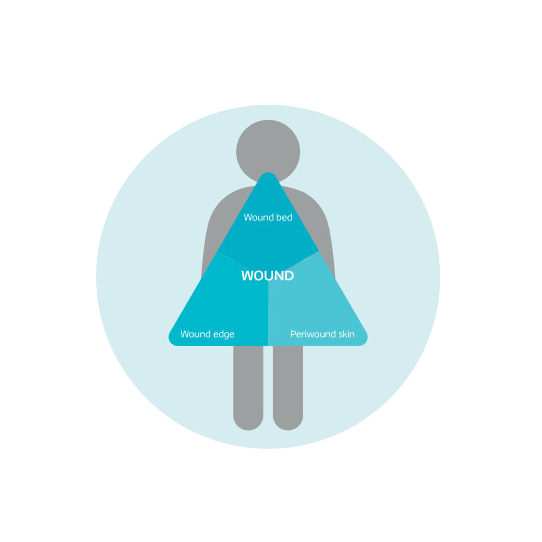
  • a comprehensive wound assessment – including assessment of the wound bed, the wound edges, the periwound skin and patient pain levels.
Wound Assessment form

Wound Assessment form

PDF Download the Triangle of Wound Assessment 2 2

A structured approach to your wound care management plan

The holistic approach to wound assessment is a structured and comprehensive approach to wound management. It helps you to consider all the factors that affect wound healing and gives you a baseline for tracking the healing process so you can adjust the goals you set for management along the way.3 

With this approach, you are considering the ‘whole patient’ and not just the ‘hole in the patient’.

A wound assessment and documentation tool will help you to make sure you are conducting a holistic wound assessment. Check out our Triangle of Wound Assessment tool and let that guide you through the process.
How to assess your patient6

  • Determine age, mobility, dexterity, mental capacity and ability of the patient to engage in Supported Self-Management.
  • Check current medications and medication history.
  • Check co-morbidities, deteriorating or uncontrolled conditions, wound and pressure ulcer risk history.
  • Check for clinical history, such as previous surgeries, wounds and diseases, allergies, and other factors.
  • Identify life-style risk factors such as: smoking, nutrition (underweight or obesity), sedentary life-styles and alcoholic/substance abuse.
  • Check for vascular insufficiencies.
  • Check for dermatological diseases and complications such as allergies to wound preparation and treatment products.
  • Identify sociological issues, such as income instability/employment, housing, social network, social isolation, and overall quality of life.
  • Identify psychological issues, such as depression, anxiety, and other factors.
  • Take note of the experienced level of pain (potential treatment must be assessed both at dressing change and during the agreed care plan).
Wound Assessment form

Wound Assessment form

PDF Download the Triangle of Wound Assessment 2 2

How to assess the type and condition of a wound

  • Determine the cause of the wound (the wound aetiology).
  • Understand the wound’s history, duration and healing progression.
  • Document the wound’s location and measure its size (depth, length and width).
  • Assess bioburden and check for signs of infection.
  • Inspect the previous dressing for any leakage (always note when the dressing was last changed).

Assess the wound bed:
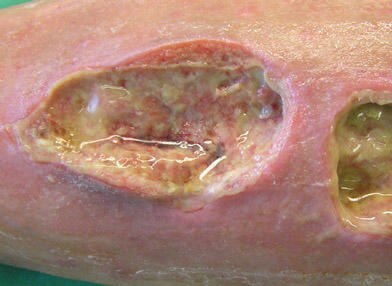
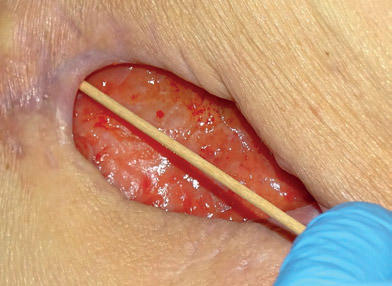
  • Measure the wound depth
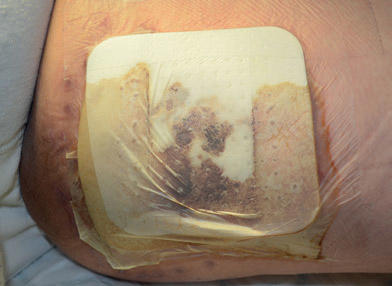
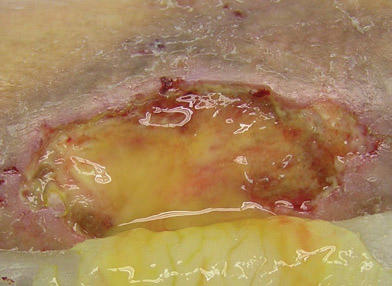
  • Assess what tissue types can be observed i.e. slough, necrosis.
  • Check for exudate pooling
  • Determine the amount of wound exudate in both wound and dressing (how saturated is the dressing?).
  • Assess the colour, viscosity and odour of the wound exudate.

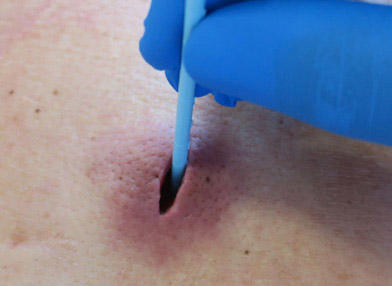
Measure the wound depth

How deep is the wound?

Assess what tissue types can be observed i.e. slough, necrosis.

Was the previous dressing the most appropriate?

Check for exudate pooling.

Do you see exudate pooling?

Did the previous dressing absorb

Did the previous dressing absorb and retain and retain the exudate?

Is the exudate clear or cloudy?

Is the exudate clear or cloudy?

What colour does the exudate have?

What colour does the exudate have?

Assess the wound edge and periwound skin:
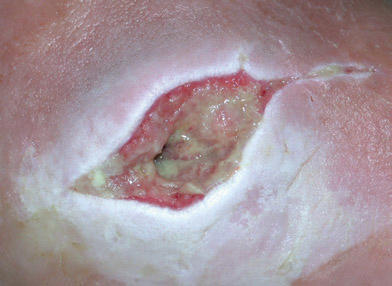
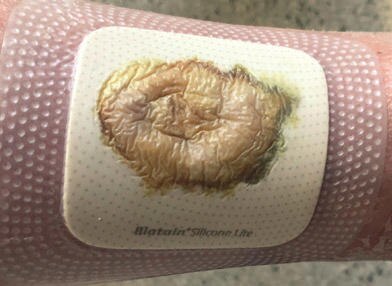
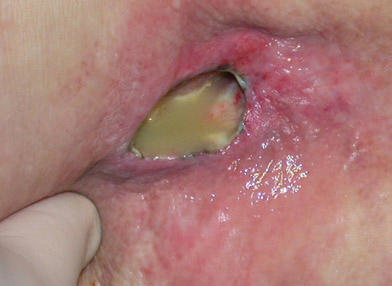
  • Assess the wound edges (are they attached, rolled, inflamed, undermined, advancing, macerated?).
  • Assess the periwound skin (is it intact, fragile, inflamed, macerated?).

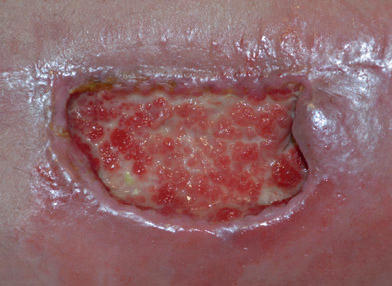
Wound maceration

Is the wound edge and periwound skin macerated?

Is the wound edge undermined?

Is the wound edge undermined?

Are there rolled wound edges?

Are there rolled wound edges?

Education module - Holistic Approach in Assessing Wounds

Course content
  • Importance of wound assessment
  • Patient assessment
  • Local wound assessment
  • Documenting wound assessment
  • The information, views and opinions expressed at this site and in the materials presented are solely those of the individuals involved and do not necessarily represent those of Coloplast A/S or its affiliates (“Coloplast”). Coloplast is not responsible and does not verify the accuracy of any of the information or material presented at the site. The information presented may not be appropriate for all jurisdictions.
    Read the full disclaimer
  • 0800 220 622
  • CProfessionalUK@coloplast.com
  • mktcoloplastiu@coloplast.com - IU contact
  • Coloplast Ltd Nene Hall, Peterborough Business Park PE2 6FXPeterborough United Kingdom
    • Cookie policy
    • Legal Aspects
    • Privacy Notice
    • Coloplast products - instructions for use
    • Modern Slavery Act
    • EU Declarations of conformity
    • Accessibility