
Get full access with a free account
Benefits of the Coloplast® Professional Educational platform
- Full access to educational content, events and resources
- Track your progress
- Share content with your colleagues
- Share supporting material with your patient
The wound’s exudate gives you important information about the wound’s health. If you notice an unexpected change in exudate characteristics, this may mean that there is a change in the wound’s status, e.g that the wound is infected. If this happens, you should re-evaluate the wound as quickly as possible.4, 3
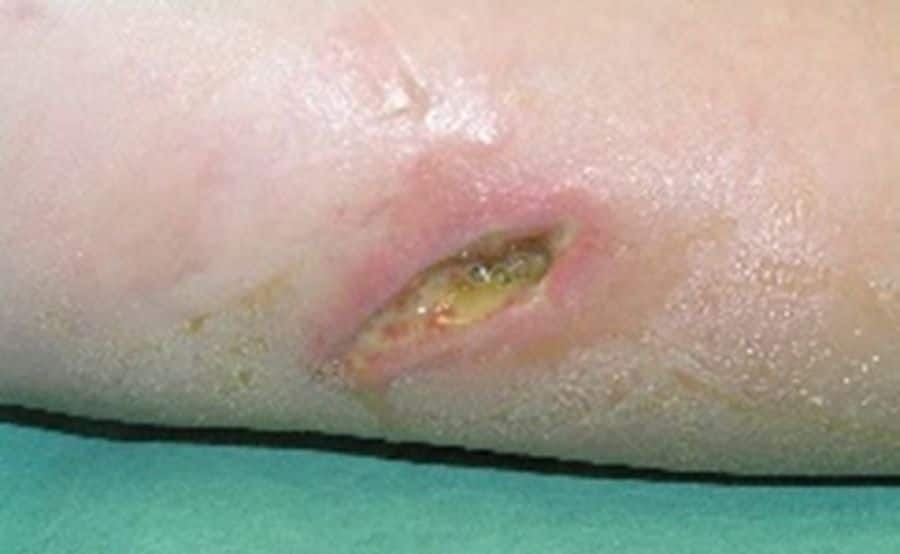
Serous | Wound Type Colour: Clear, amber or straw-coloured. Consistency: Thin, watery.
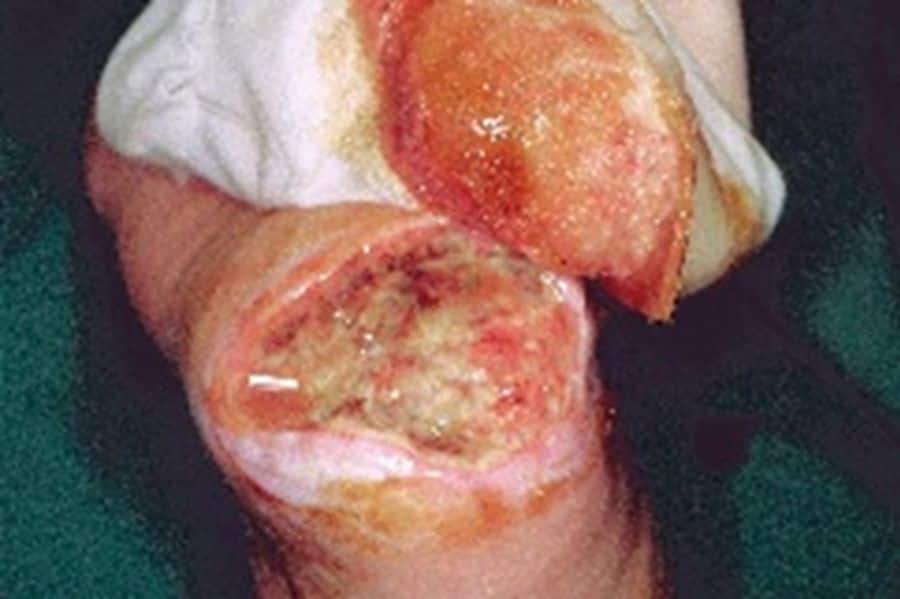
Serosanguineous | Wound Type Colour: Clear, pink to light red. Consistency: Thin, slightly thicker than water.
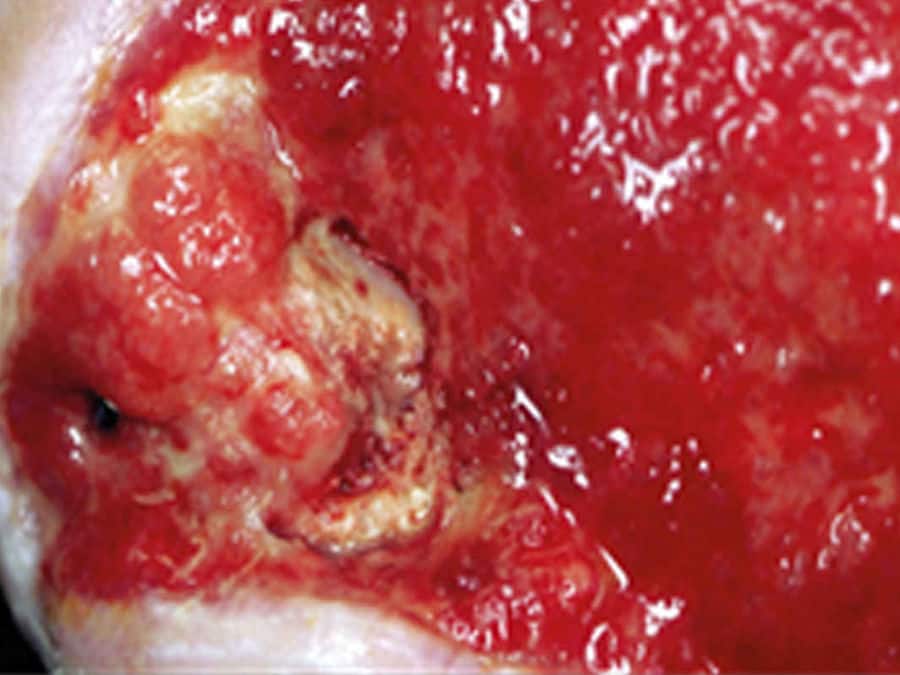
Sanguineous | Wound Type Colour: Red. Consistency: Thin, watery.
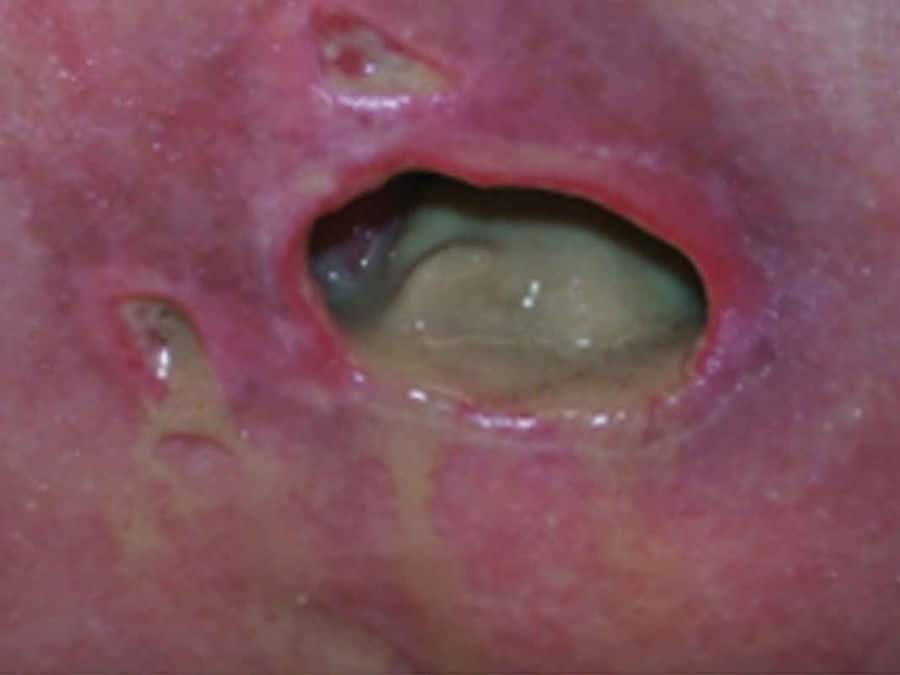
Seropurulent | Wound Type Colour: Cloudy, creamy, yellow, tan. Consistency: Thin.
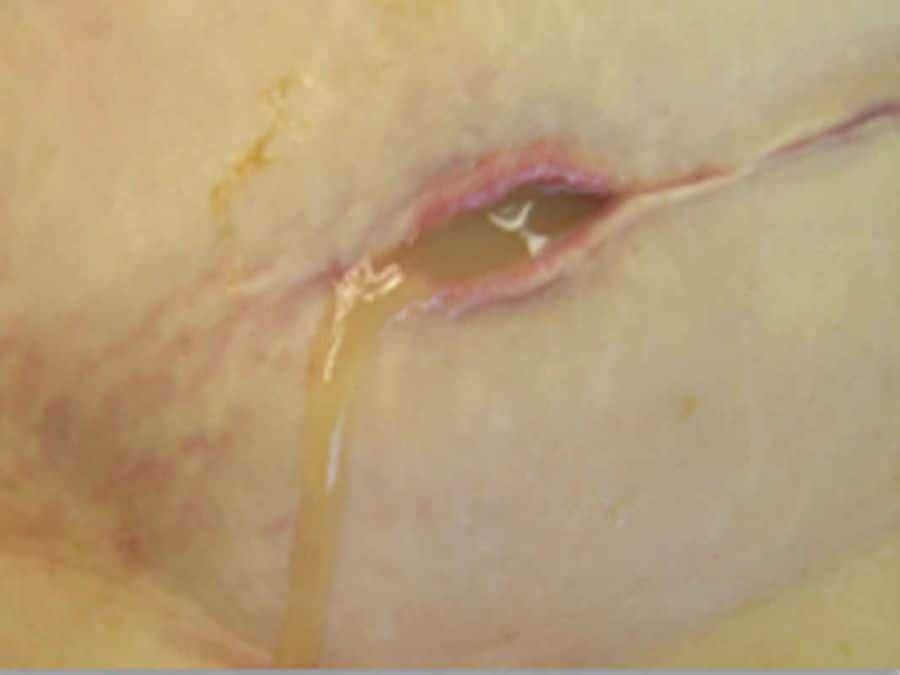
Fibrinous | Wound Type Colour: Cloudy. Consistency: Thin, watery.
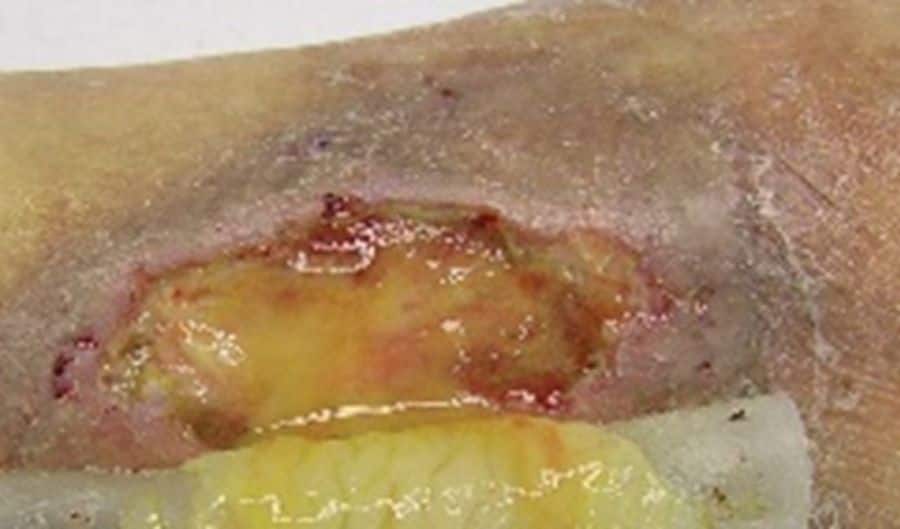
Purulent | Wound Type Colour: Opaque, milky, yellow, tan or brown, sometimes green. Consistency: Often thick.
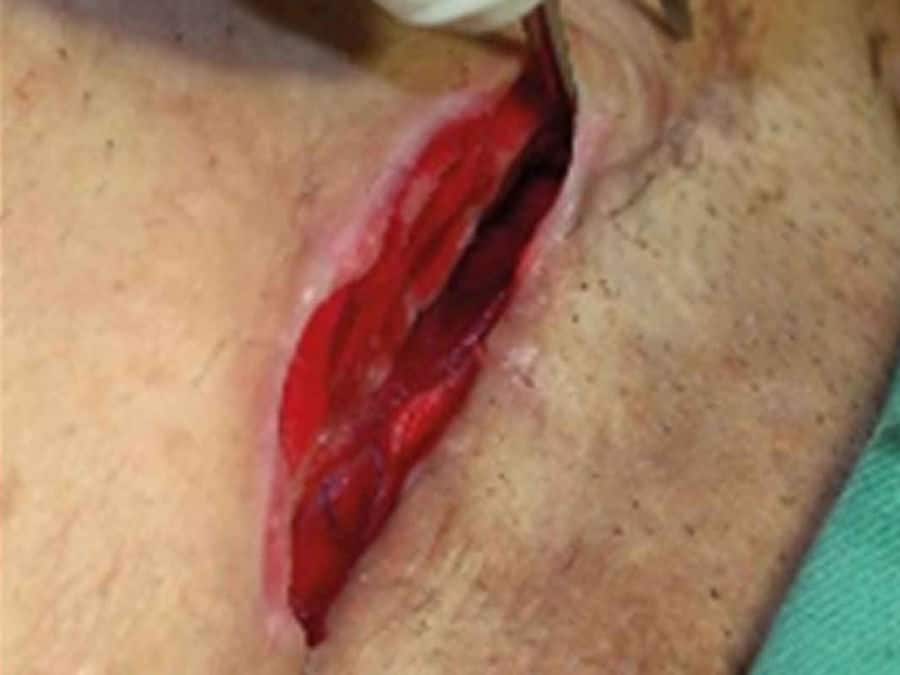
Haemopurulent | Wound Type Colour: Red, opaque. Consistency: Thick.
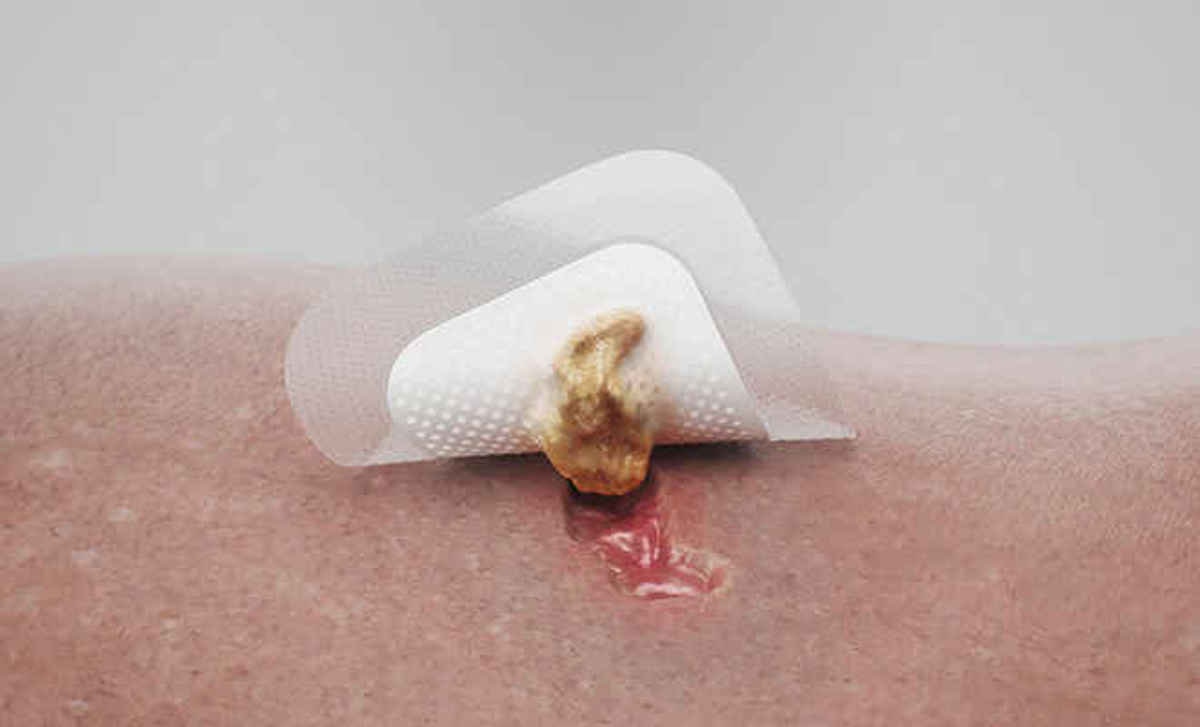
When a dressing doesn't fit perfectly, a Gap can form underneath it.
With conventional foam dressings a Gap can form between the wound bed and the dressing.